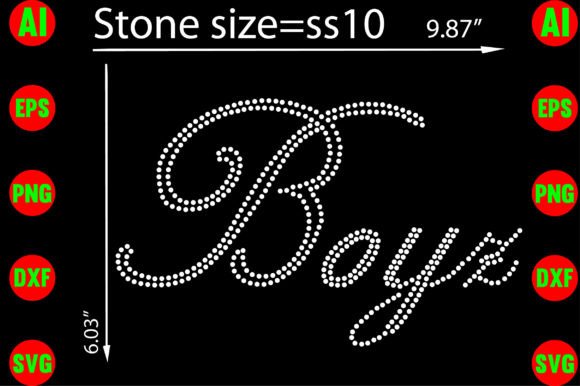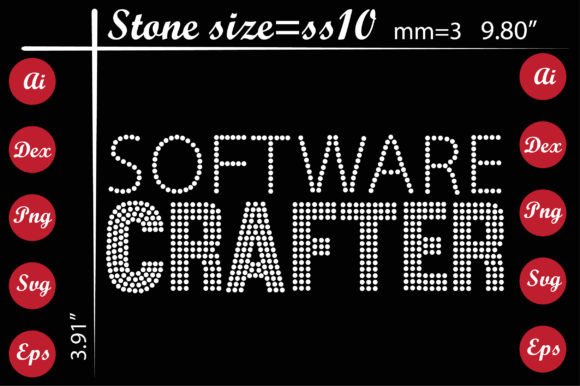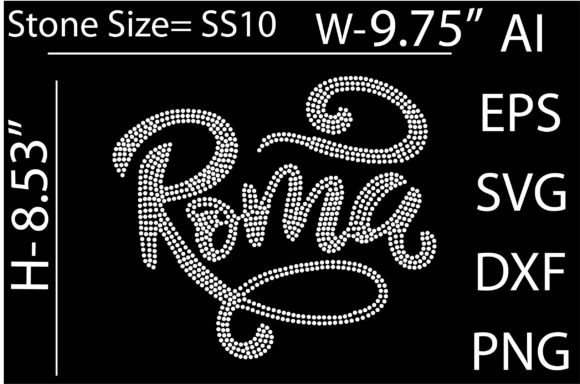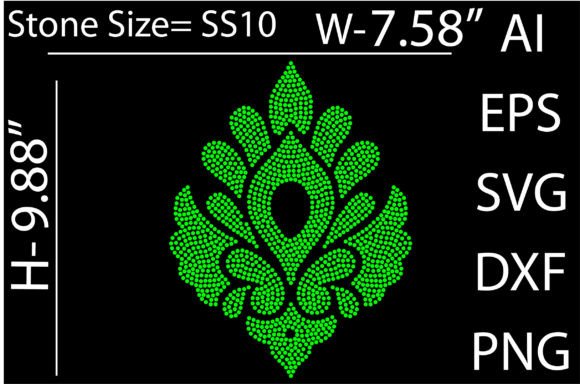
Printable (Bertin) Rhinestone Templates: Unlocking Creative Flexibility
When you are working on a physical product, the bridge between your digital design and the final tactile item is often the most stressful part of the process. You have a vision in your head, but translating that into a tangible t-shirt, mug, or cushion requires precision. This is where the utility of high-quality design assets truly shines. Today, we are looking at the Printable (Bertin) Rhinestone Templates. While the name suggests a specific use case, the actual value of this package lies in its versatility and the sheer volume of file formats provided.
Deconstructing the Asset: More Than Just a Template
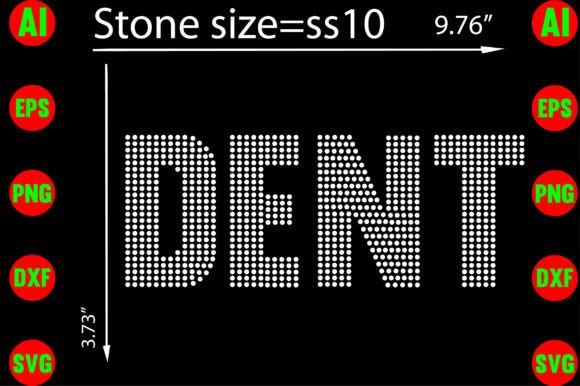
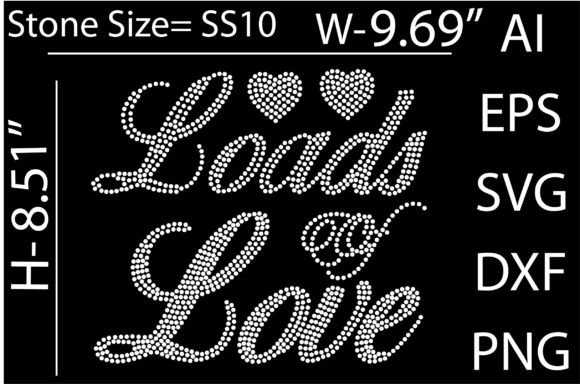
At first glance, you might assume this is strictly for crafters using heat transfer vinyl (HTV) or actual rhinestones. However, to view the Printable (Bertin) Rhinestone Templates merely as a craft guide is to underestimate its potential. The design itself carries a specific aesthetic—likely structured, geometric, or text-based with a distinct personality that mimics the look of clustered gems or textured fills. It offers that "premium font" or "creative font" feel without the complexity of manual kerning or letterform design.
The visual characteristics of this style usually involve high contrast and bold outlines. It is designed to be read from a distance, making it an excellent candidate for logo design or packaging design where immediate recognition is key. The "personality" of the Bertin style is often one of confidence and embellishment. It does not whisper; it speaks. This makes it particularly useful for brand identity projects that aim to convey luxury, celebration, or bold creativity.
The Power of the Instant Download
One of the most practical aspects of this package is the delivery method. As an instant download, you remove the wait time, allowing you to integrate these assets into your workflow immediately. The package includes a ZIP folder containing a comprehensive suite of files: Ai (300dpi), EPS (300dpi), SVG File (300dpi), DXF File (300dpi), Transparent PNG (300ppi), and Jpeg (300dpi).
Why does this matter to you as a designer or business owner?
- Vector Formats (AI, EPS, SVG, DXF): These are essential for web design, large-format printing, and editing. If you need to scale the design for a billboard or shrink it for a favicon, vector files ensure no loss of quality. The inclusion of DXF is a specific nod to the crafting community, particularly those using Silhouette or Cricut machines.
- High-Res Raster (PNG, JPEG): The 300dpi and 300ppi specifications are the gold standard for print. Whether you are a publisher creating an editorial layout or a marketer designing a flyer, these files are press-ready. The transparent PNG is particularly valuable for layering the design over other images in social media graphics or video thumbnails.
Practical Applications: From Digital to Physical
The true test of any design asset is how well it performs across different mediums. The Printable (Bertin) Rhinestone Templates are described as perfect for printing on t-shirts, mugs, and cushions, but let’s expand on that.
For the entrepreneur running a print-on-demand store, this asset is a lifesaver. Instead of hiring a graphic designer for every new drop, you can use this editable file to create seasonal merchandise. Imagine using the rhinestone template style for a holiday sweater design or a summer festival tank top. The visual texture of the design implies a handmade, high-value item, which can justify a higher price point for your merchandise.
For content creators and bloggers, consistency is king. You can use the elements within this template to create a cohesive visual language. For example, you could use the design elements as borders for Instagram stories or as decorative separators in your blog layout. Because the file is editable, you can recolor the design to match your specific brand identity palette, ensuring that every touchpoint with your audience feels unified.
Influence on Brand Perception and Engagement
Visual hierarchy is not just about size; it is about texture and detail. When you incorporate a design like the Printable (Bertin) Rhinestone Templates into your marketing materials, you are adding a layer of perceived value. Rhinestones and gem-like textures psychologically trigger associations with luxury, celebration, and attention to detail.
In editorial design, using such a textured display element for pull quotes or drop caps can break up the monotony of standard sans serif font or serif font body text. It draws the reader's eye exactly where you want it, improving engagement. For small business owners, using this style on product hang tags or thank-you cards can elevate the unboxing experience, turning a simple transaction into a memorable brand moment.
Integration and Workflow Tips
Getting the most out of this asset requires a bit of strategic planning. Here is how to evaluate the fit for your next project:
- Evaluate the Context: Does the "rhinestone" aesthetic fit the tone of your message? It works incredibly well for events, fashion, beauty, and entertainment. It might be less appropriate for a serious corporate law firm, but perfect for a boutique marketing agency.
- Test Your Pairings: Because the Printable (Bertin) Rhinestone Templates design is likely busy and detailed, it requires a strong partner. Pair it with a clean, geometric sans serif font for body text. This contrast allows the decorative element to stand out without overwhelming the viewer. Avoid pairing it with a highly detailed script font or handwritten font, as this can create visual chaos.
- Leverage the Editable Nature: Do not just use the default colors. Open the AI or EPS file and experiment. Change the fill to a metallic gradient for a digital look, or a flat pastel for a softer, stationery vibe.
Ultimately, the Printable (Bertin) Rhinestone Templates